Lake Forest, CA · Garage Door Service
Lake Forest's 1980s-90s tract housing and mild climate mean off-track doors here usually trace to worn hardware, not weather. Here's what actually causes it.
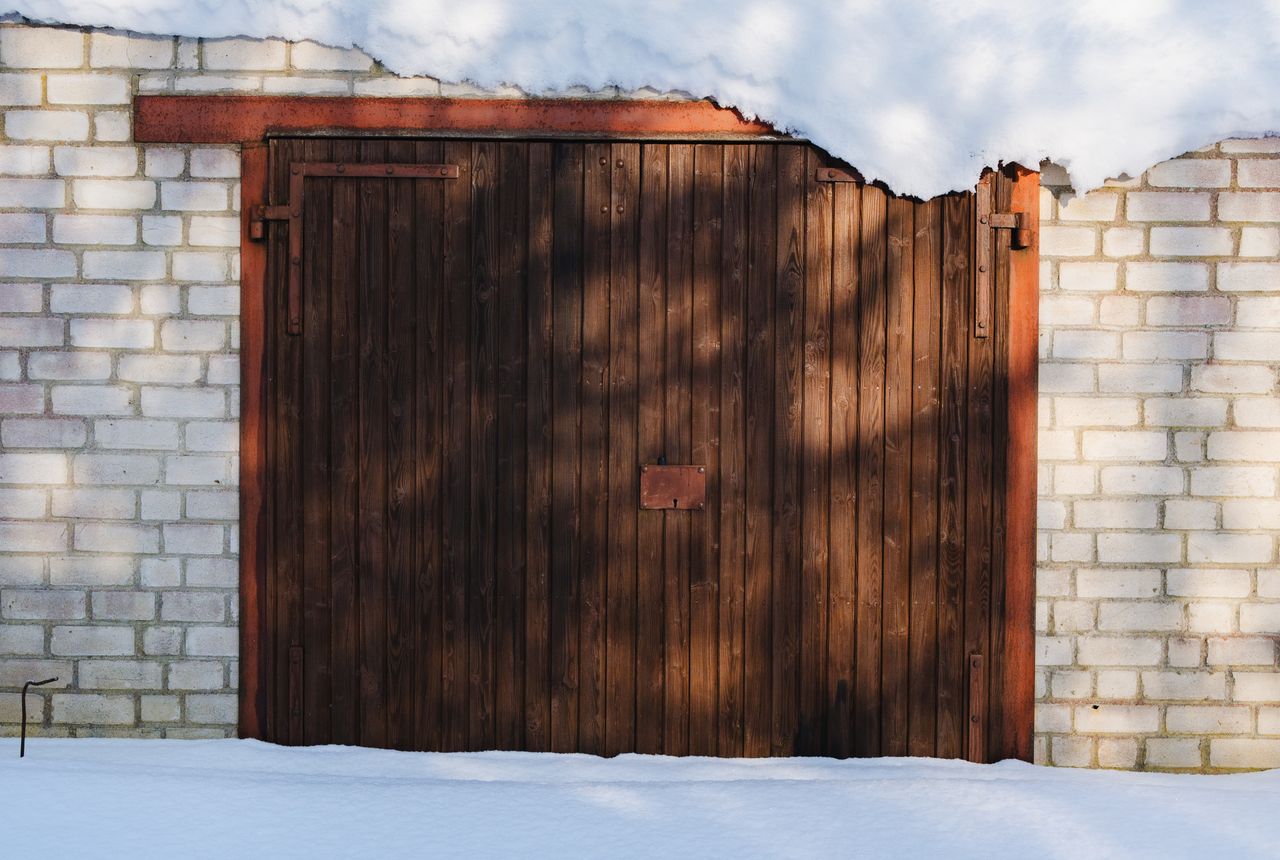
Lake Forest sits in a mild temperate band, and that actually works against the easy explanation. In places that swing hard between freeze and thaw, track brackets loosen because the wood framing around them expands and contracts all winter. That's not what's happening here. Most of the housing stock in this area went up between 1938 and 2015, with the bulk of it - across the named tracts and neighborhoods in this part of the county - built in the 1980s and 90s. That means the garage on a typical house here is pushing 30 to 45 years old, and the track brackets, lag screws, and jamb brackets installed at construction are original in a lot of these garages. Wood shrinks a little over four decades even without extreme weather, and once a jamb bracket works loose a quarter inch, the track it holds is no longer plumb. Add a door that's been rolling on the same steel track since the house was framed, and you've got a setup where the track is more likely to be the weak point than the springs or the opener. This isn't a storm-damage problem in Lake Forest. It's a slow-loosening-hardware problem, and it shows up gradually, not all at once.
When a door goes off track, one of three things has usually happened: a roller has broken or worn down to the point it won't stay in the channel, a track bracket has pulled away from the frame, or something hit the door hard enough to bend the track itself - most often a car bumper or a ladder. On the '80s and '90s builds common across this area, the original steel rollers were often the stamped kind that wears a groove into itself over the decades rather than the sealed-bearing rollers used today. Once that groove gets deep enough, the roller starts riding the edge of the track instead of the center, and the door walks sideways every time it opens. Loose brackets do something similar but in slow motion - the track leans a degree or two out of plumb, and the door binds on one side until a roller finally pops free. A door that's been running fine for years and suddenly jumps track after one specific open or close almost always means impact, not wear.
Open the door partway and look at the track from the side, not straight on - a bent section will show as a kink or a spot where the two rails aren't parallel. Check the lag screws where the vertical track bolts to the wall jamb; on a house from the 1980s or 90s, it's common to find these have backed out a turn or two over the years, enough to let the bracket rock when the door goes by. Run your hand along the rollers while someone else opens the door slowly (keep fingers clear of the track itself) and feel for one that's flat-sided instead of round, or that grinds instead of turning. If the door came off on one side only, look there first - most single-side derailments trace to one bad roller or one loose bracket, not a track problem on both rails.
The instinct is to muscle the door back onto the track and call it fixed. Sometimes that works for a day. It doesn't fix a bent track or a stripped bracket screw, and a door that's already jumped once tends to do it again, usually at a worse moment. We'll also say plainly: if the track is bent rather than just loose, straightening it rarely holds - track steel work-hardens where it's bent, and it'll flex there again under load. On original hardware from a decades-old build, replacing that section of track is usually the more honest call than trying to bend it back true. The other thing people miss is the spring. A door that's fighting a loose track is often also carrying a spring that's tired from the same 30-plus years, and forcing a misaligned door back onto its rail puts extra strain on a spring that may already be near the end of its life.
You can, but only if a roller simply popped out of a track that's straight and true - and even then, do it with the opener disconnected and the door manually supported, since a door under spring tension can drop. If the track itself is bent or a bracket is torn loose from the jamb, forcing the door back on will only pop it off again.
If your house was built in the 1980s or 90s, which covers a large share of homes in this area, there's a real chance the track brackets and rollers are original. Steel rollers and lag-screwed brackets from that era were built to last, but not forever, and 30-plus years of daily use wears them down gradually rather than all at once.
Not directly. This is a mild temperate area without the hard freeze-thaw cycles that loosen hardware in colder climates. When a track goes off here, it's almost always wear on original hardware or an impact - a bumper tap, a ladder - rather than weather working on the frame.
Call now or request a free quote - same-day service on most repairs, upfront written pricing.