Lake Forest, CA · Garage Door Service
Lake Forest homes span 1938 to 2015 builds, mostly 1980s-90s stock. Here's exactly what our service call checks on your door, spring, and opener before we quote a fix.
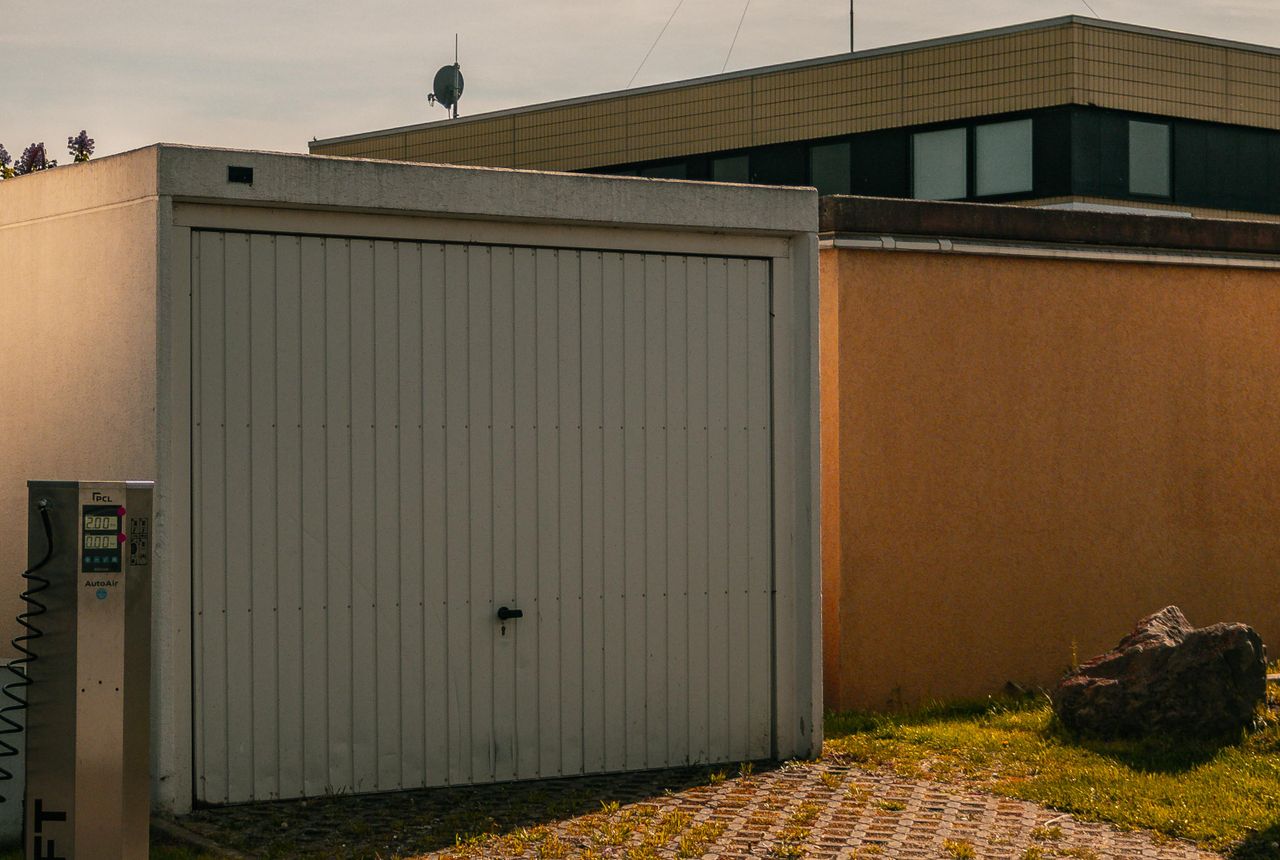
Most doors we look at in Lake Forest sit in homes built between 1938 and 2015, with the bulk of that stock going up through the 1980s and 90s across the area's 24 named neighborhoods. That matters because a door installed in 1985 has different hardware than one installed in 2005 - different spring wind, different track gauge, sometimes different opener mounting entirely. A service call has to start by figuring out which era of door you actually have, not just what's wrong with it.
The mild temperate climate here helps more than it hurts. We're not fighting frozen tracks or spring steel that's brittle from cold snaps, and that's a real advantage compared to plenty of other parts of the country. But mild doesn't mean zero wear - daily temperature swings between a warm afternoon and a cooler night still expand and contract steel tracks and lubricate-then-dry cables over years, especially on doors that have sat through three or four decades of that cycle. A call in an older Lake Forest neighborhood is usually about accumulated wear, not storm damage.
When we show up, we're not guessing at what's inside your garage. Given how much of this area's housing dates to the 1980s and 90s, we expect to find original torsion springs that have outlived their rated cycle count, galvanized cable starting to fray at the drum, and rollers that were never swapped out since the house was built. That's the baseline assumption walking in.
The call itself covers the spring system (checking wind tension and wear, not just whether it's broken), the track alignment on both sides, the cable condition at the drums, the opener's force settings and safety reversal, and the panel hardware - hinges, rollers, the works. On a door that's original to a 1980s or 90s build, we're often looking at a system that was fine when installed and has just aged out, rather than something that failed from misuse.
We don't treat every call the same. A door in a newer build near Portola Springs or Foothill Ranch is going to need a different inspection than one in an older section of the city, simply because the hardware generation is different.
Before you call, there's a short list of things you can check without tools. Pull the manual release cord and see if the door moves smoothly by hand - if it's heavy or uneven, that's spring tension, not the opener. Look at the torsion spring itself for a visible gap in the coil, which means it's broken. Check the cables at the bottom brackets for fraying or loose strands.
What you can't safely check yourself is spring tension adjustment or cable replacement - that's genuinely dangerous work with the wrong tools, and we won't walk you through doing it over the phone. If your door is original to an 80s or 90s build, as most in this area are, and you're hearing a loud bang followed by the door refusing to open, that's very likely the torsion spring giving out after decades of cycles. That's a call, not a DIY fix.
One honest limit here: we can't diagnose an opener's circuit board issue over the phone or from a photo. If the motor hums but the door doesn't move, that needs a hands-on look, and guessing at it first usually just delays the actual fix.
The most common mistake is assuming a noisy door means the opener is failing, when in a house from this era it's almost always the rollers or the track alignment - original hardware that's simply worn past its useful life. People replace the opener and the noise comes right back.
The second mistake is treating a broken spring as a quick, cheap fix because a neighbor's cost less. Spring cost depends on the door's size, weight, and wind style, and a house from the 1980s-90s stock common across this area may have a different setup than a newer build a few miles away. We quote based on what's actually on your garage, not on an average.
With a median household income above $130,000 in this area, we also see people who could easily replace an aging door choose to keep repairing it past the point that makes sense - sometimes a full replacement costs less over five years than a third spring job on a 40-year-old door. We'll tell you when that math has flipped, even if it means a smaller job for us that day.
We don't guess - Lake Forest homes range from 1938 to 2015 builds, with most falling in the 1980s-90s window, and each era used different torsion spring setups. That's why the call starts with identifying the door's age and hardware generation before quoting anything.
Less than most places. The mild temperate climate here doesn't put doors through the freeze-thaw stress that damages hardware elsewhere. Most issues we see are from decades of normal use on original 80s and 90s hardware, not weather events.
Only roughly, and only after you describe the door's size and what's happening. Spring and cable costs depend on the specific door, and homes across this service area's 24 neighborhoods vary enough in age and hardware that a phone estimate isn't reliable.
That's usually a spring or cable problem overloading the motor, not the opener itself. We can't diagnose it accurately over the phone or from a photo, so this is one case where we need to look at it in person before saying anything for certain.
Call now or request a free quote - same-day service on most repairs, upfront written pricing.